An aortic dissection is a serious condition, but it’s also one that modern vascular surgery has become increasingly equipped to treat. Understanding what it is, who is at risk, and what treatment looks like can help you navigate what comes next with more clarity and confidence.
What Is Aortic Dissection?
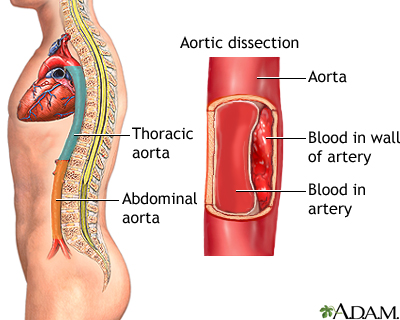
Aortic dissection occurs when a tear develops in the inner layer of the aorta, the body’s largest artery, which carries oxygen-rich blood from the heart to the rest of the body.
The wall of the aorta is made up of three layers: the intima (innermost), the media (middle), and the adventitia (outermost). When the intima tears, blood forces its way between the layers, creating a second, false channel of blood flow running alongside the true channel.
This separation can extend along the length of the aorta, potentially cutting off blood supply to the organs and arteries that branch off from it. That’s what makes aortic dissection a medical emergency that requires immediate attention.
You may also hear this condition described as a “torn aorta” or “aorta tear”. These are informal but accurate ways of describing what is happening structurally.
Warning Signs of Aortic Dissection
The most recognized symptom of aortic dissection is sudden, severe chest or back pain, often described as sharp, tearing, or ripping in quality. Unlike the pressure or squeezing sensation more commonly associated with a heart attack, dissection pain tends to be intense and immediate, reaching peak severity almost at once rather than building gradually.
Other symptoms depend on which part of the aorta is affected and whether blood flow to other areas of the body has been compromised:
- Back pain between the shoulder blades or in the mid-to-lower back as the dissection extends
- Stroke symptoms — sudden weakness, facial drooping, or speech difficulty, if the arteries supplying the brain are involved
- Arm or leg pain, numbness, or weakness, sometimes with a noticeable difference in pulse strength between limbs
- Abdominal pain, if the arteries supplying the intestines or kidneys are affected
- Paralysis or loss of sensation in the lower body, if spinal arteries are involved
- Fainting, shortness of breath, or sweating
Important: Sudden, severe chest or back pain is always a medical emergency, regardless of the cause. Call 911 or go to your nearest emergency room immediately. Early evaluation is critical.
Who Is at Risk for Aortic Dissection?
Uncontrolled high blood pressure is the single most common risk factor for aortic dissection. The sustained pressure against the aortic wall over time weakens its structure and makes a tear more likely. Managing blood pressure is one of the most important things a person can do to reduce their risk.
Other risk factors include:
- Aortic valve disease or a bicuspid aortic valve (two leaflets instead of three)
- Aortic aneurysm — an enlargement of the aorta that weakens the wall
- Previous cardiac or aortic surgery
- Connective tissue disorders such as Marfan syndrome or Ehlers-Danlos syndrome, which affect the structural integrity of blood vessel walls
- Smoking
- Cocaine or stimulant drug use, which causes sudden spikes in blood pressure
- Blunt chest trauma, such as from a high-impact motor vehicle accident
Aortic dissection is more common in men and typically occurs in adults between the ages of 60 and 80, though connective tissue disorders can cause dissection in much younger patients.
Types of Aortic Dissection
Vascular specialists classify aortic dissections using the Stanford classification system, which helps determine the appropriate course of treatment:
- Type A dissection involves the ascending aorta, or the portion of the aorta closest to the heart. This is the more dangerous type and almost always requires emergency open surgery.
- Type B dissection involves only the descending aorta, which runs through the chest and abdomen. Depending on the patient’s condition and whether complications are present, Type B dissections may be managed with medications, endovascular procedures, or both.
Understanding the type and extent of a dissection is one of the first things the care team will work to establish, typically through CT imaging, because it directly determines the treatment path.
How Is Aortic Dissection Treated?
Treatment for aortic dissection depends on the type, location, and whether complications are present. Here’s what each phase of care typically involves.
Emergency Stabilization
Regardless of type, the first priority is stabilizing the patient. This means controlling blood pressure and heart rate with intravenous medications to reduce stress on the aortic wall and slow the progression of the dissection. Close monitoring in an intensive care setting is standard.
Surgical Repair for Type A Dissection
Type A dissections involving the ascending aorta require emergency open surgery. The goal is to remove the torn segment and replace it with a synthetic graft, restoring normal blood flow and preventing rupture or cardiac complications. While this is major surgery, it is a well-established procedure performed by experienced vascular and cardiothoracic surgeons.
Endovascular and Medical Management for Type B Dissection
For Type B dissections, treatment has evolved significantly. Many patients are candidates for TEVAR (thoracic endovascular aortic repair), a minimally invasive procedure in which a stent-graft is placed inside the aorta through small incisions, reinforcing the damaged wall and redirecting blood flow through the true channel. TEVAR offers a less invasive alternative to open surgery for appropriate patients, with shorter recovery times and reduced procedural risk.
In some cases, particularly when the dissection is stable and not causing complications, medical management, such as ongoing blood pressure control and close surveillance imaging, may be the primary approach, with intervention reserved if the condition changes.
The right treatment plan is highly individualized. An experienced vascular team will evaluate imaging, overall health, and the specifics of the dissection to recommend the most appropriate path forward.
Ongoing Monitoring After an Aortic Dissection
The aorta requires ongoing attention even after a successful repair, and patients who stay connected with a vascular specialist long-term consistently have better outcomes.
Long-term care typically includes:
- Lifelong blood pressure management with medication and lifestyle modifications
- Regular imaging (CT or MRI) at scheduled intervals to monitor the aorta for changes, re-expansion of the false channel, or new aneurysm formation
- Activity modifications, particularly avoiding heavy lifting or strenuous exertion in the early recovery period
- Monitoring for late complications, including aneurysm development at the site of the original dissection
This is not a condition to manage once and move on from. It’s one that benefits from a dedicated, experienced team following you over time.
Frequently Asked Questions About Aortic Dissection
-
What does aortic dissection feel like?
What does aortic dissection feel like?
Aortic dissection most commonly causes sudden, severe chest or back pain that patients often describe as sharp, tearing, or ripping. The pain typically reaches its worst intensity almost immediately, and this sudden onset is a key distinguishing feature. Some patients also experience shortness of breath, sweating, or fainting. -
Can you survive an aortic dissection?
Can you survive an aortic dissection?
Yes. Survival rates have improved considerably with advances in surgical and endovascular techniques. Outcomes depend heavily on the type of dissection, how quickly the patient receives care, and overall health. This is why rapid evaluation at an emergency center is so critical: faster diagnosis and treatment directly improve outcomes. -
What is the difference between an aortic dissection and an aortic aneurysm?
What is the difference between an aortic dissection and an aortic aneurysm?
An aortic aneurysm is an abnormal bulging or enlargement of the aorta caused by weakening of the vessel wall. An aortic dissection is a tear in the inner layer of the aortic wall that creates a false channel of blood flow. The two conditions are different, though an existing aneurysm can increase the risk of dissection. Both require expert vascular evaluation and monitoring. -
Is aortic dissection hereditary?
Is aortic dissection hereditary?
In some cases, yes. Inherited connective tissue disorders such as Marfan syndrome and Ehlers-Danlos syndrome significantly increase the risk of aortic dissection, often at younger ages. A family history of aortic disease or sudden cardiovascular death is also a risk factor worth discussing with a vascular specialist. -
Do I need lifelong treatment after an aortic dissection?
Do I need lifelong treatment after an aortic dissection?
Yes. Lifelong blood pressure control and periodic imaging surveillance are the standard of care after aortic dissection, even after successful repair. The goal is to monitor the aorta for late complications and intervene early if needed. Your vascular team will establish a follow-up schedule based on your specific situation.
Expert Vascular Care in Baton Rouge
Aortic dissection is one of the most serious vascular events a person can experience, but it is also a condition that modern vascular surgery is well-equipped to address. From emergency intervention to long-term monitoring, having the right team behind you makes a meaningful difference in outcomes.
At CVT Surgical & Vein Therapy Center, our vascular specialists bring deep experience in aortic disease, including endovascular repair and complex surgical management. Whether you’ve recently been treated for a dissection and need ongoing follow-up, or you have risk factors that warrant a proactive evaluation, we’re here to provide expert, patient-centered care close to home.
Contact CVT today to schedule a consultation with our vascular team in the Greater Baton Rouge area.