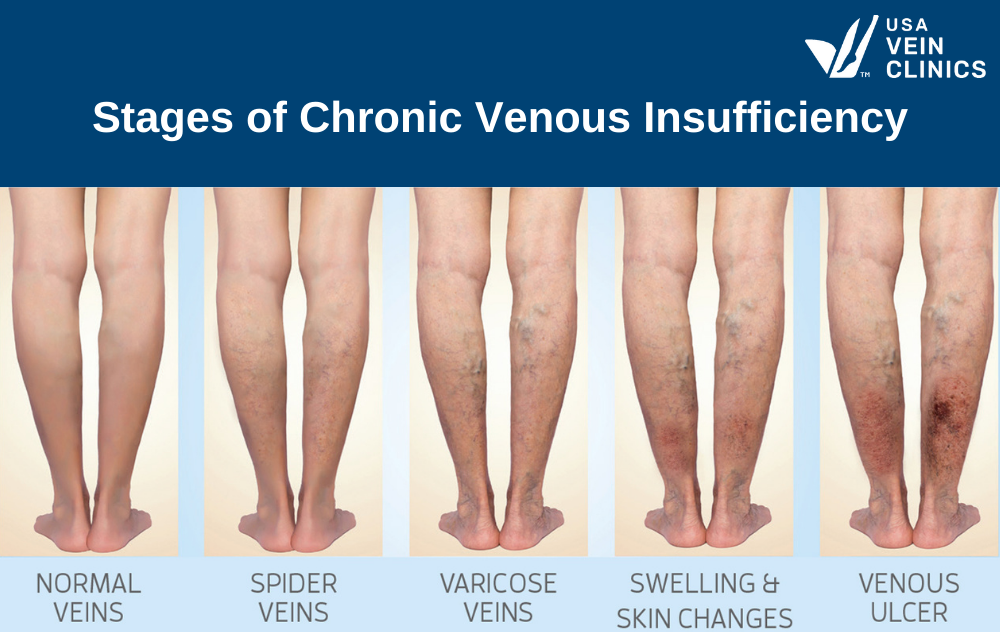
Chronic Venous Insufficiency (CVI) is a common yet often overlooked condition that affects the flow of blood through the veins in your legs. If you’ve experienced leg swelling, aching, or visible varicose veins, CVI may be the underlying cause. Left untreated, it can lead to more serious complications, including skin changes and venous ulcers.
What is Chronic Venous Insufficiency?
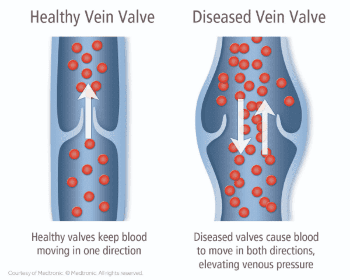
CVI starts as a condition known as venous reflux, where the valves in the veins of your legs become damaged or weak. The damaged valves do not properly close, allowing blood to pool in the lower extremities instead of flowing back to the heart efficiently. As the blood pools in the lower leg, it increases pressure in the veins. This ongoing pressure leads to symptoms that range from mild discomfort to serious skin conditions and ulcers.
What Are the Early Signs of Chronic Venous Insufficiency?
Recognizing symptoms early is paramount to treating this condition. Signs can vary but often include:
• A feeling of heaviness, aching, or fatigue in the legs
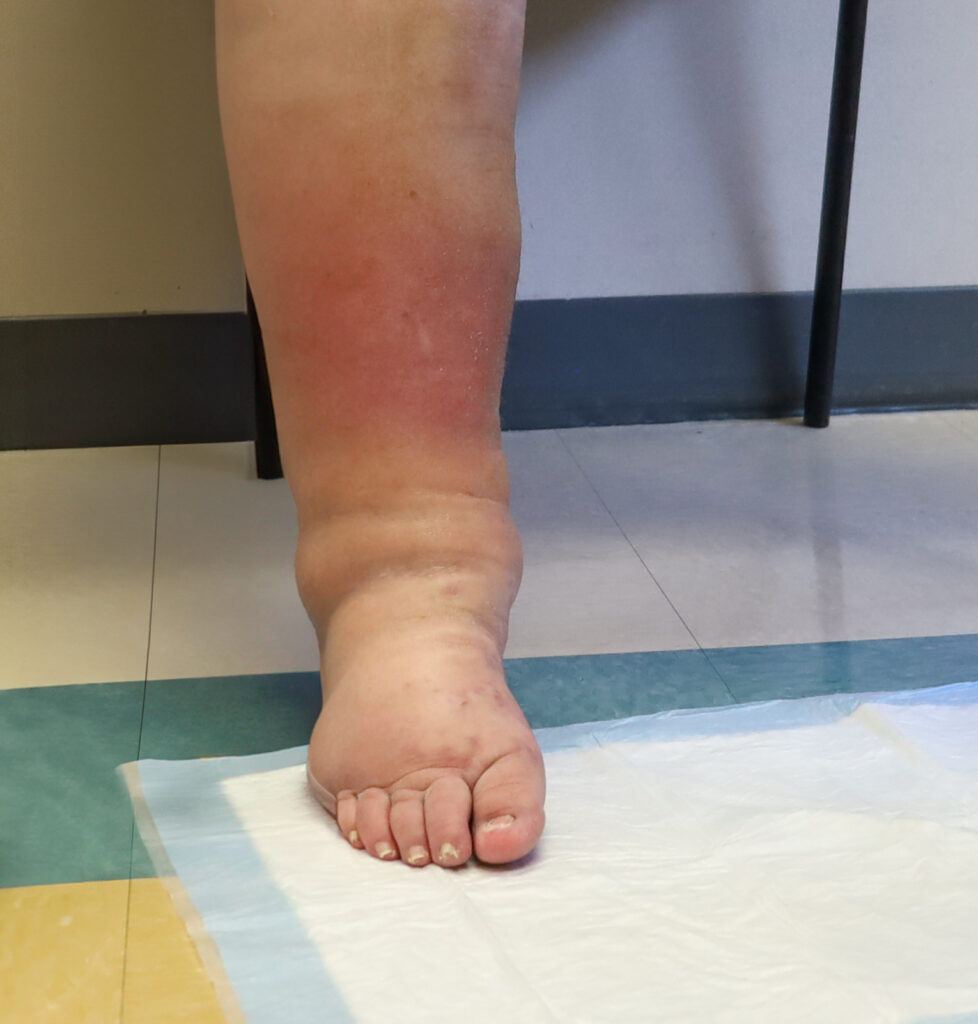
• Swelling (edema) in your lower legs and ankles
• Varicose veins or bulging veins
• Reddish- brown skin discoloration or a leathery texture
• Dry, flaking, or itchy skin
These symptoms typically worsen after long periods of standing or sitting.
What Are Common Risk Factors for Chronic Venous Insufficiency?
CVI is usually caused by faulty vein valves that allow blood to leak backward. Over time, this leads to venous reflux and poor circulation in the legs. Common risk factors include:
- Age (more common over 50)
- Family history of vein disease
- Obesity
- Tobacco use and smoking
- Pregnancy
- A sedentary lifestyle or standing for long hours
- A history of deep vein thrombosis (DVT) or blood clots
What Are the Complications of Untreated Chronic Venous Insufficiency?
Without treatment, CVI can lead to:
- Chronic leg pain and swelling that limit mobility
- Stasis dermatitis (skin inflammation)
- Lipodermatosclerosis (hardening of skin and tissue)
- Venous leg ulcers that are slow to heal and may become infected
- Increased risk of recurrent skin infections, such as cellulitis, due to poor circulation
- Increased risk of Deep Vein Thrombosis (DVT)
Seeking care early can dramatically improve your long-term vein health.
Treatment Options for Chronic Venous Insufficiency
There is a range of treatment options available for CVI.
First-line treatments include conservative management such as:
- Compression stockings to improve blood flow and reduce swelling
- Exercise and leg elevation to promote circulation
- Weight management and healthy lifestyle changes
Minimally Invasive Treatments offered through our Vein Therapy Center include:
- Radiofrequency ablation (RFA): heat-based procedures that close off faulty veins
- Sclerotherapy: injection of a solution that collapses problematic veins
- Microphlebectomy: removal of bulging surface veins through small incisions
- VenaSeal: medical adhesive is injected into the damaged vein, sealing it off
- Varithena: mircrofoam is injected into a varicose vein, causing it to collapse
These outpatient treatments are safe, effective, and require minimal downtime.
In rare cases, more invasive surgery such as vein stripping or bypass may be recommended for patients with severe or advanced disease.