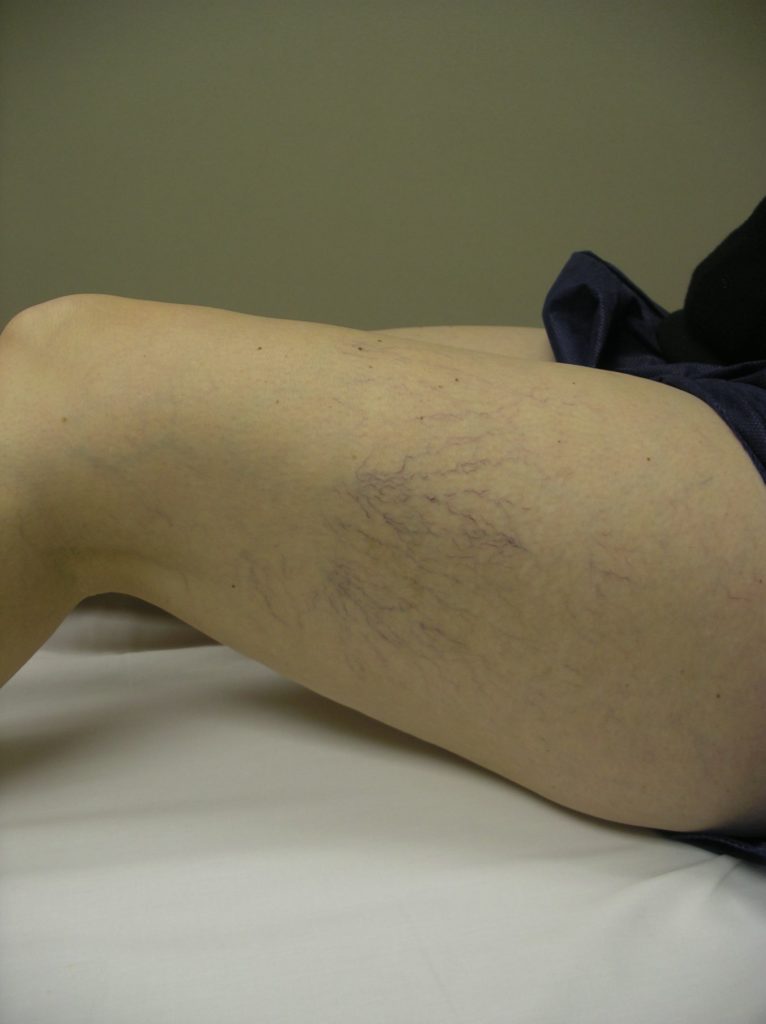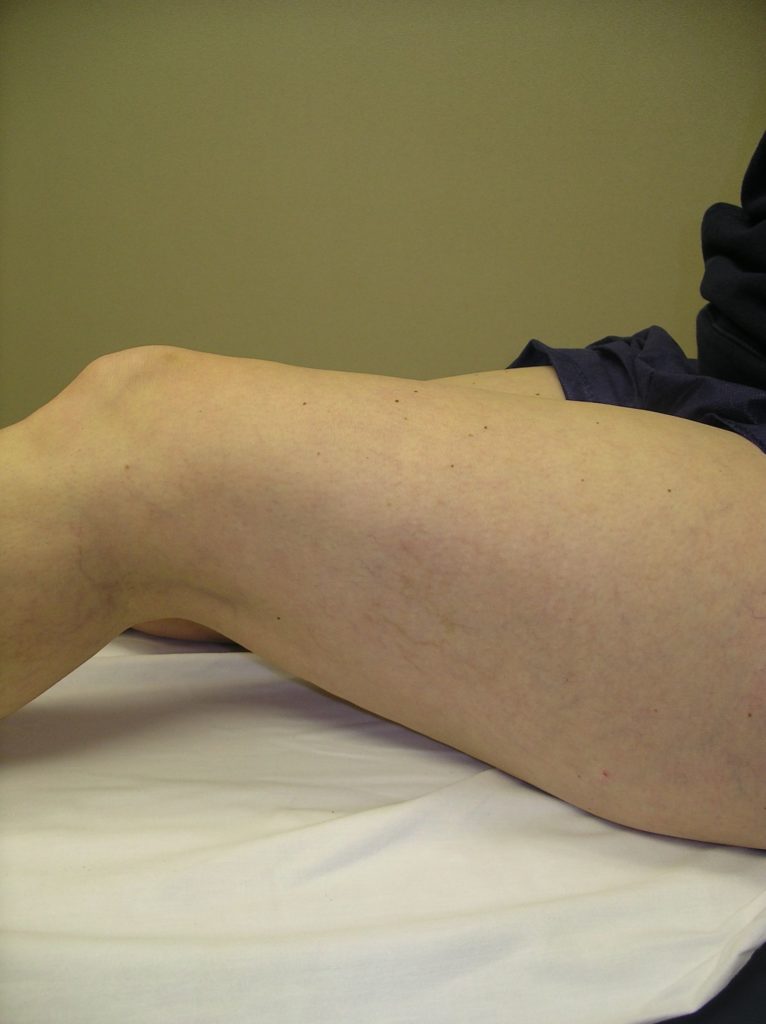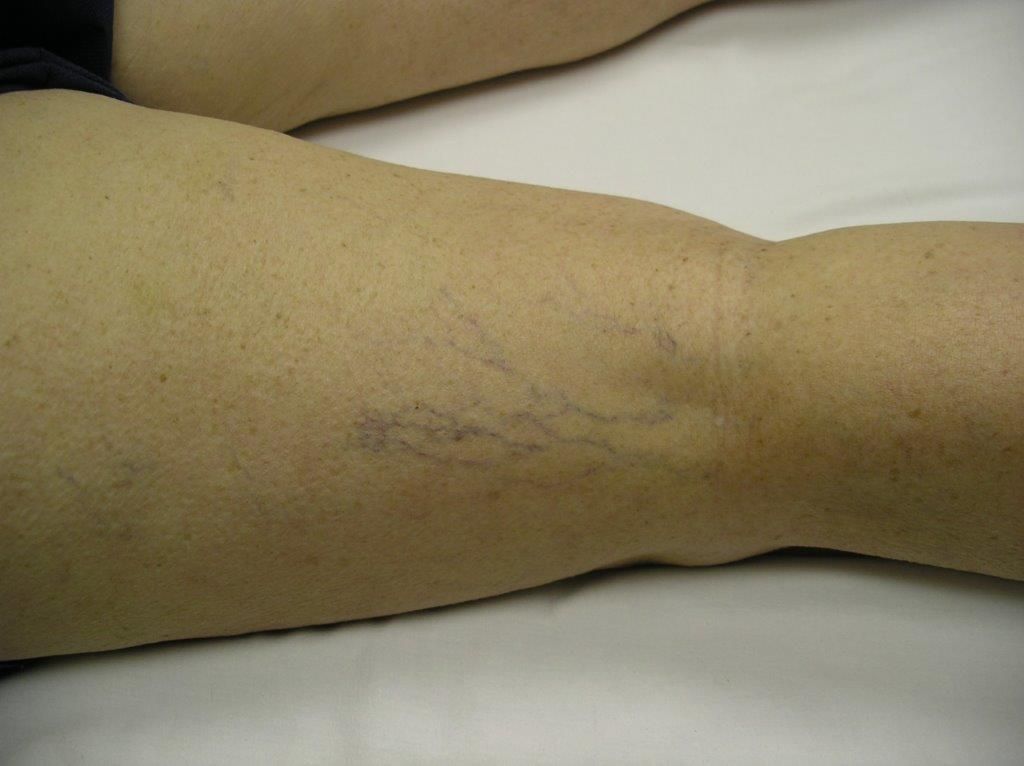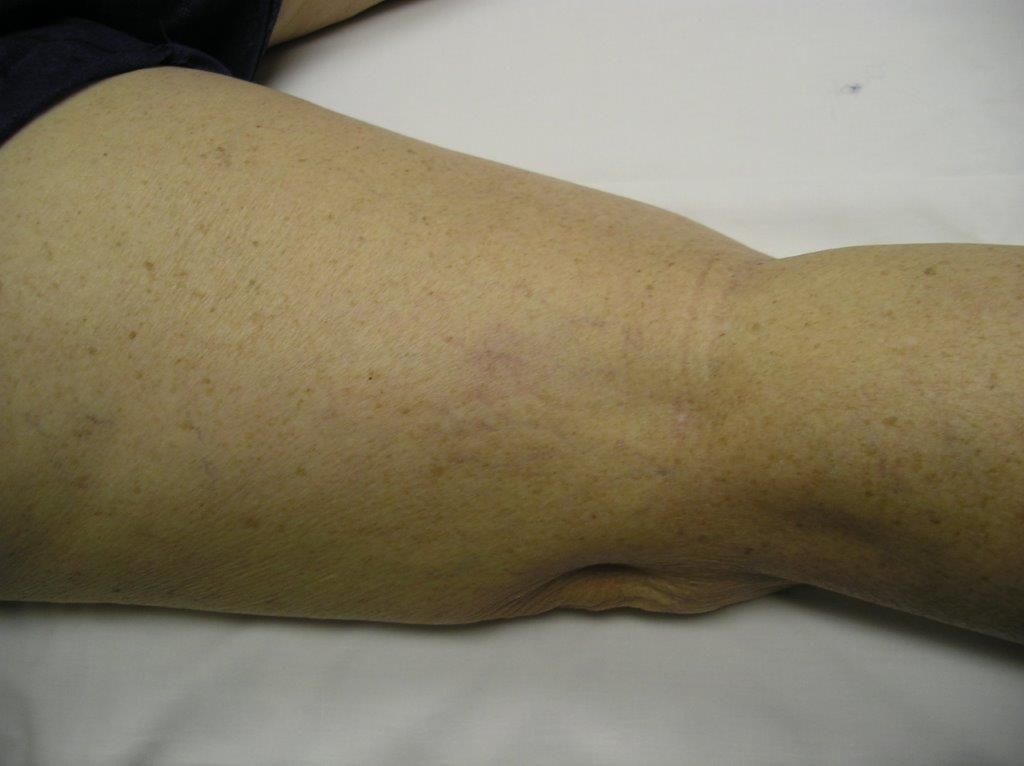

Sclerotherapy
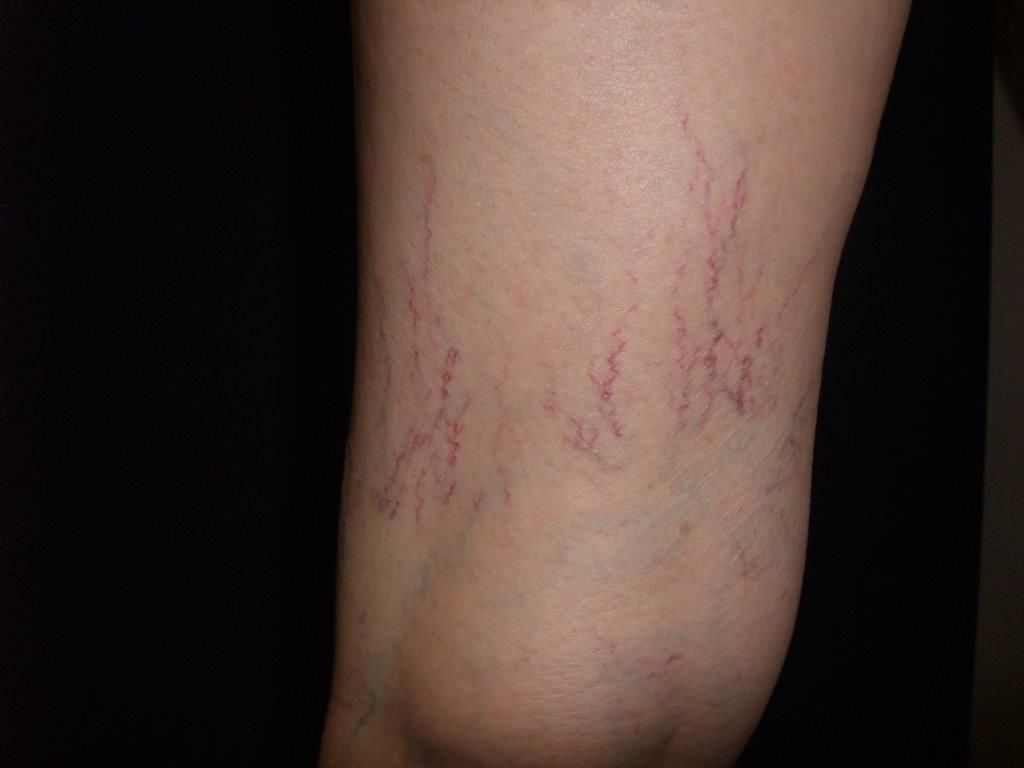
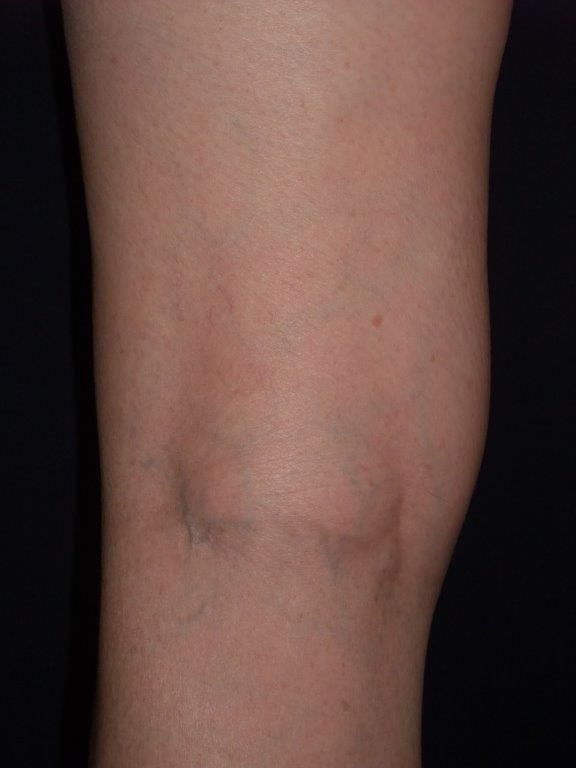
Sclerotherapy is one of the most trusted and effective treatments for eliminating spider veins and small varicose veins. It’s quick, minimally invasive, and performed right in the clinic with little to no downtime. For many patients, it offers both cosmetic improvement and meaningful relief from symptoms like aching, throbbing, and leg fatigue.
What Is Sclerotherapy?
Sclerotherapy is a vein treatment that uses a specialized medical solution, called a sclerosant, to close unwanted veins. Once the solution is injected, the vein collapses and is naturally absorbed by the body over time. Blood is rerouted through healthier veins, improving circulation and appearance.
This treatment has been used for decades and remains the gold standard for spider vein removal.
How Sclerotherapy Works
During the procedure, a trained provider injects a tiny amount of sclerosant directly into the problem vein. The medication irritates the vein wall just enough to seal it shut. Over several weeks, the vein fades as the body breaks it down.
There are two primary techniques:
- Liquid Sclerotherapy: Ideal for small spider veins and tiny reticular veins.
- Foam Sclerotherapy: A foamed version of the solution that’s better for slightly larger or deeper veins because it fills the space more effectively.
Your provider will choose the method that aligns with your vein type and overall treatment goals.
What Sclerotherapy Treats
Sclerotherapy is most commonly used for:
- Spider veins
- Reticular veins (small blue or green veins)
- Small, early varicose veins
- Symptoms related to early venous insufficiency, such as aching or heaviness
For larger varicose veins or advanced venous disease, additional procedures may be recommended to treat the underlying cause before sclerotherapy.
Benefits of Sclerotherapy
Patients choose sclerotherapy because it offers:
- Minimally invasive treatment with no surgery
- Quick, in-office sessions
- Little to no downtime
- Highly effective results
- Improved circulation in treated areas
- Significant cosmetic improvement
For many, it’s a simple solution that delivers long-lasting results.

What to Expect During Your Appointment
A typical sclerotherapy session takes 15 to 30 minutes.
Here’s how it works:
- Your provider cleans the treatment area.
- A fine needle is used to inject the sclerosant into the vein.
- You may feel mild pressure or a warm sensation.
- Several veins can be treated in one session.
Most patients describe the process as quick and easily tolerated.
Recovery and Aftercare
Sclerotherapy requires very little downtime, and most people return to daily activities immediately.
Aftercare typically includes:
- Wearing compression stockings for several days
- Avoiding heavy exercise for 24 to 48 hours
- Steering clear of hot tubs or saunas briefly
- Short walks to promote healthy circulation
Visible improvement often appears within a few weeks, with full results developing over several months.
Potential Side Effects and Risks
Sclerotherapy is extremely safe when performed by an experienced provider. Still, temporary side effects can occur, such as:
- Minor swelling or bruising
- Redness or itching at the injection site
- Temporary skin discoloration
- Small, tender knots along the vein
More serious complications are rare but may include allergic reactions or blood clots. Choosing an experienced vascular specialist significantly minimizes these risks.
Sclerotherapy vs. Other Vein Treatments
While sclerotherapy is excellent for small problem veins, it’s not the only vein treatment available. Depending on the size and severity of your veins, you may also be a candidate for:
- Radiofrequency ablation
- VenaSeal
- Microphlebectomy
- Endovenous laser treatments
- Compression therapy
Your provider will determine whether sclerotherapy should be part of a standalone treatment plan or a combination approach.
Cost of Sclerotherapy
The cost varies based on:
- Number of veins treated
- Severity and size of the veins
- Number of sessions required
- Whether treatment is cosmetic or medically necessary
Cosmetic spider vein sessions are typically not covered by insurance. However, sclerotherapy used to treat medically diagnosed venous insufficiency may qualify for coverage. A vein evaluation helps determine your eligibility.
Who Is a Good Canidate?
You may benefit from sclerotherapy if you have:
- Visible spider veins or reticular veins
- Discomfort related to small varicose veins
- Cosmetic concerns affecting confidence
- No major underlying vein disease
Pregnancy, certain medical conditions, and some medications may affect eligibility. A vein consultation will confirm whether sclerotherapy is the right fit.
Frequently Asked Questions
-
How many sessions will I need?
How many sessions will I need?
Most people need one to three sessions depending on the size and number of veins. -
Does sclerotherapy hurt?
Does sclerotherapy hurt?
Most describe mild stinging or pressure that lasts a few seconds. -
When can I work out again?
When can I work out again?
Light activity is fine immediately, but strenuous exercise should wait one to two days. -
How soon can I see results?
How soon can I see results?
Some improvement may appear within weeks, with full fading taking several months.
Schedule Your Vein Consultation
If you’re ready to treat spider veins, reduce discomfort, or simply feel more confident in your skin, a personalized vein consultation is the best first step. Our vascular specialists will evaluate your veins, explain your options, and create a treatment plan tailored to you.