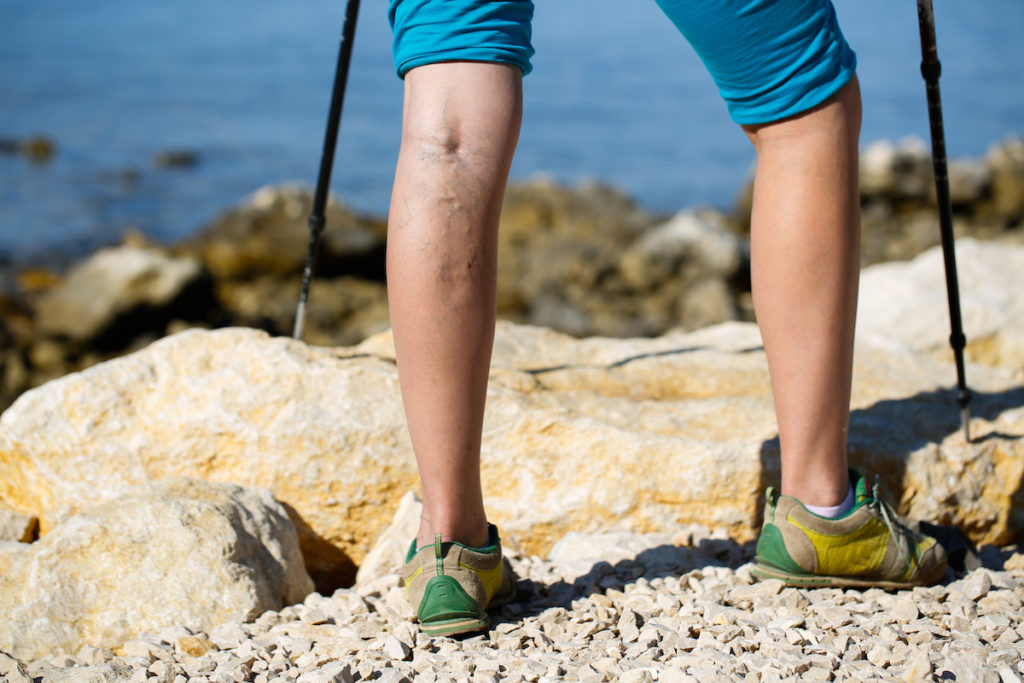
Varicose veins are more than just a cosmetic concern. They can often be a sign that your veins aren’t functioning properly. These enlarged, twisted veins can cause pain, swelling, and discomfort that interfere with daily life. Fortunately, modern vascular medicine offers safe, minimally invasive treatments that can relieve symptoms and restore healthy circulation.
What Are Varicose Veins?
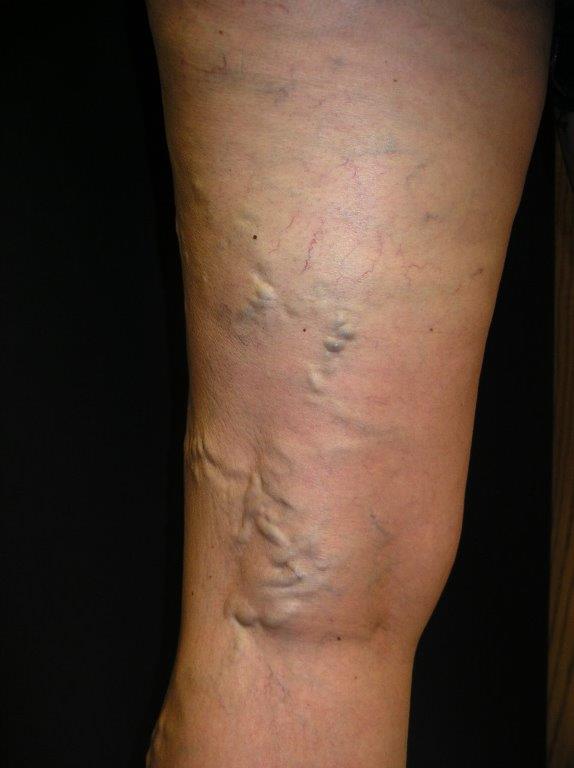
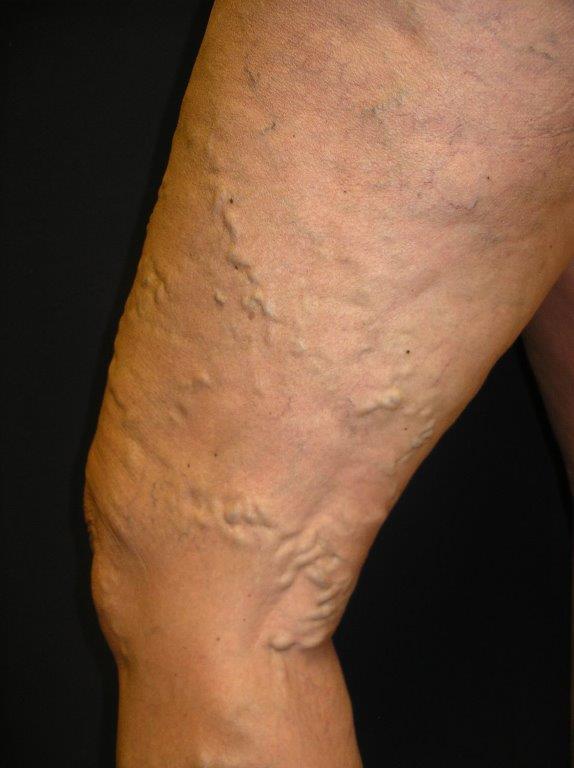
Varicose veins develop when the tiny valves inside your veins stop working as they should. These valves are meant to keep blood flowing upward toward the heart. When they weaken or fail, blood can pool in the legs, causing veins to stretch, twist, and bulge.
They often appear on the legs and ankles and can range from mild cosmetic issues to painful, rope-like veins that signal deeper circulation problems.
Common risk factors include:
- Family history of vein disease
- Pregnancy or hormonal changes
- Standing or sitting for long periods
- Aging
- Obesity or inactivity
Common Signs and Symptoms
Early symptoms can be subtle, but they tend to worsen over time. Watch for:
- Aching, throbbing, or cramping in the legs
- Swelling around the ankles
- Skin discoloration or dryness
- A feeling of heaviness or fatigue in the legs
- Bulging, twisted veins that are visible beneath the skin
When left untreated, varicose veins can lead to more serious conditions like chronic venous insufficiency (CVI) or venous ulcers. Early diagnosis is key to preventing complications.
Diagnosing Varicose Veins
A proper diagnosis starts with a thorough vein evaluation. At CVT, we use advanced ultrasound imaging to assess blood flow and pinpoint which veins are affected. This noninvasive test helps us determine the best course of treatment for your specific condition.
Our vascular specialists take a personalized approach, considering your symptoms, lifestyle, and overall vascular health before recommending treatment.
Treatment Options for Varicose Veins
Today’s treatments are faster, safer, and more comfortable than ever before. Most procedures are performed in-office with little to no downtime.
Minimally Invasive Treatments
- Radiofrequency Ablation (RFA): Uses heat to seal damaged veins and reroute blood flow.
- Sclerotherapy: A medical solution is injected into small veins, causing them to collapse and fade.
- Varithena®: A foam-based treatment for larger varicose veins.
- VenaSeal™: Uses medical adhesive to close the vein without heat or incisions.
Each treatment is tailored to your anatomy and condition, allowing for quick recovery and lasting results.
Surgical Options
In rare, severe cases, procedures such as phlebectomy or vein stripping may be recommended. However, these are typically reserved for advanced vein disease when minimally invasive options aren’t suitable.
Recovery and Results
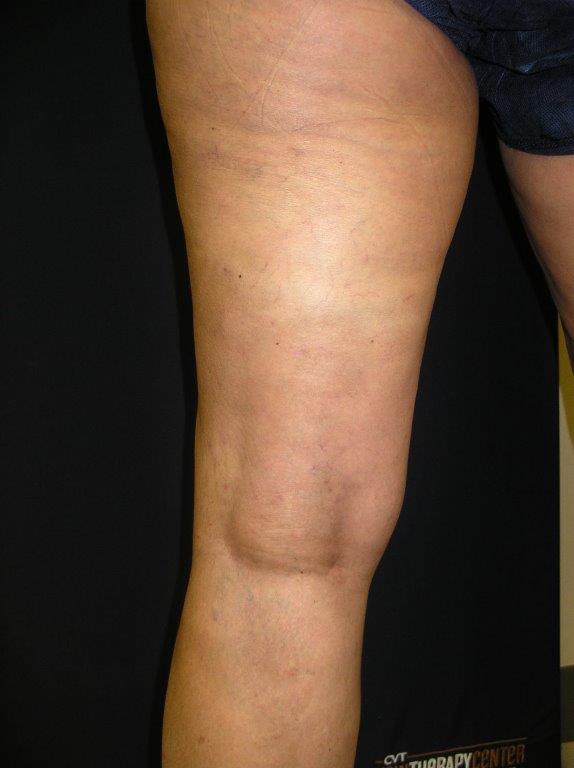
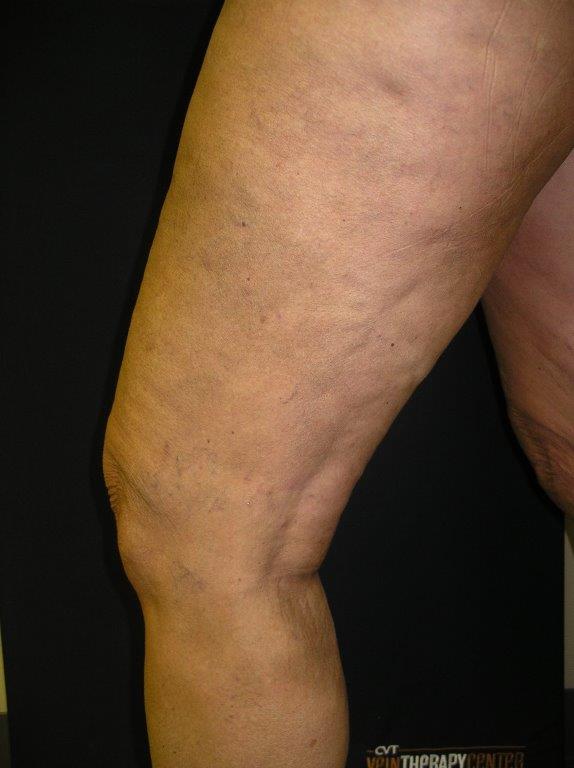
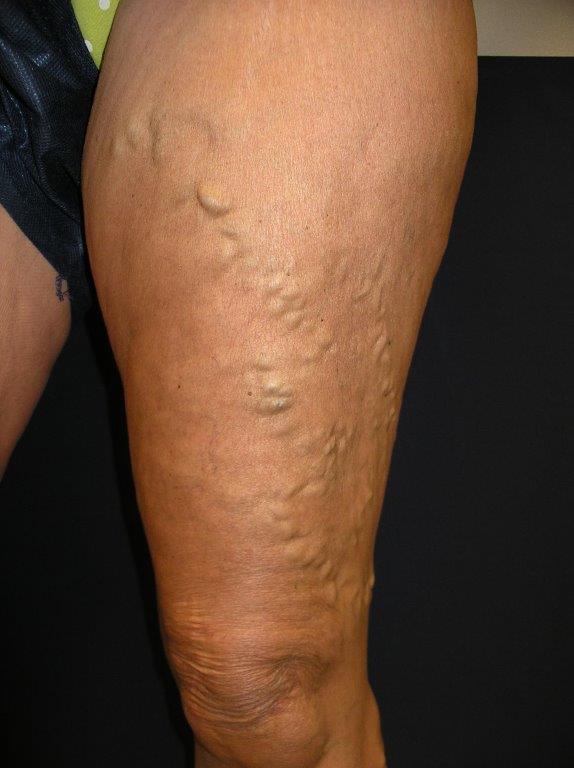
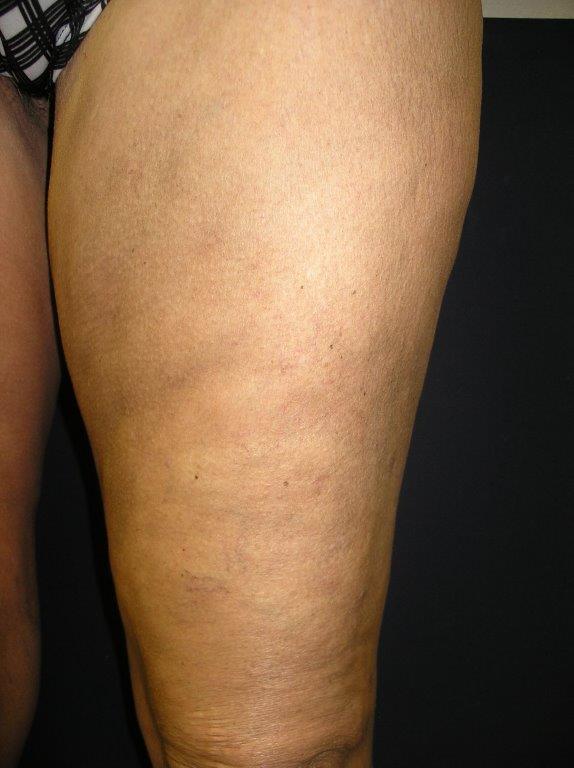
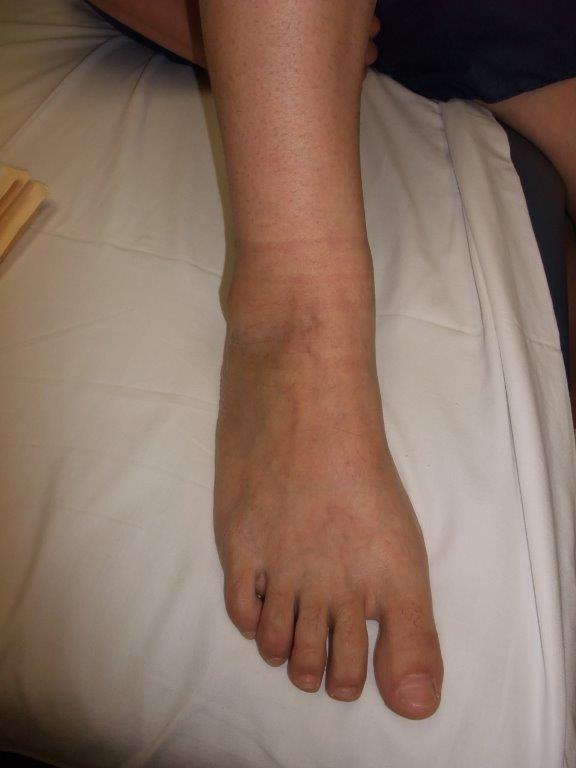
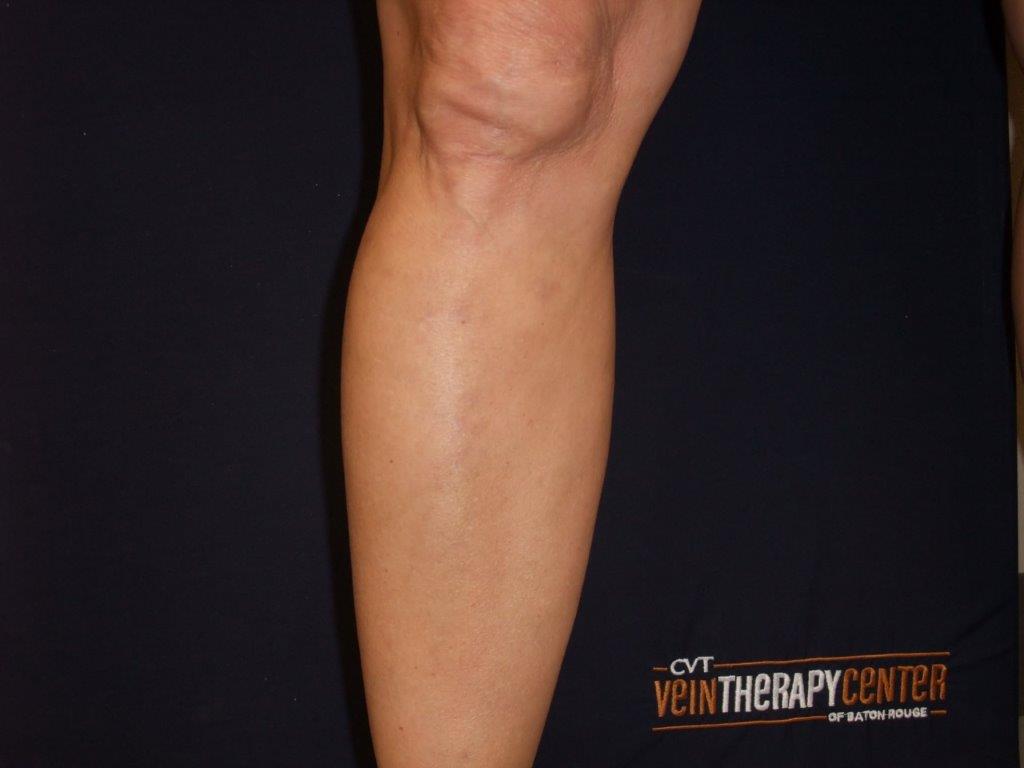
Most patients return to normal activities within a day or two. You may be advised to wear compression stockings temporarily to aid healing and circulation. Treated veins will gradually fade, and symptoms like pain, heaviness, and swelling usually improve within weeks.
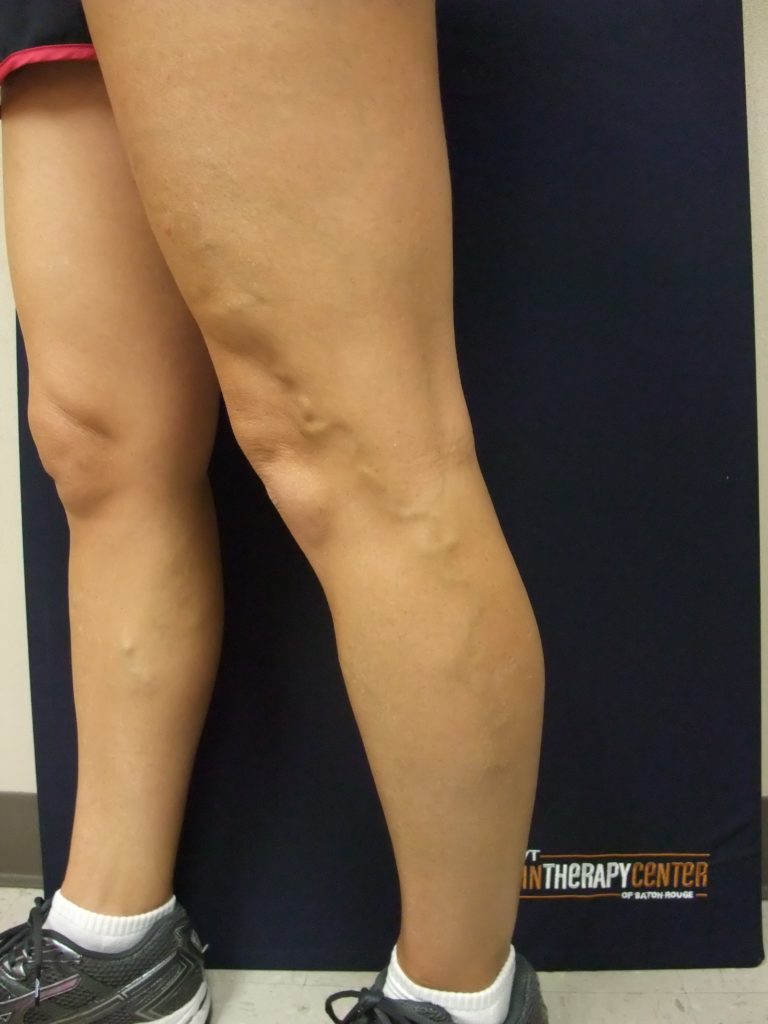
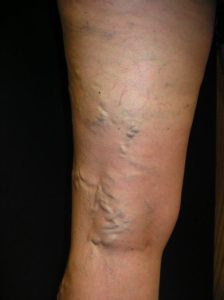
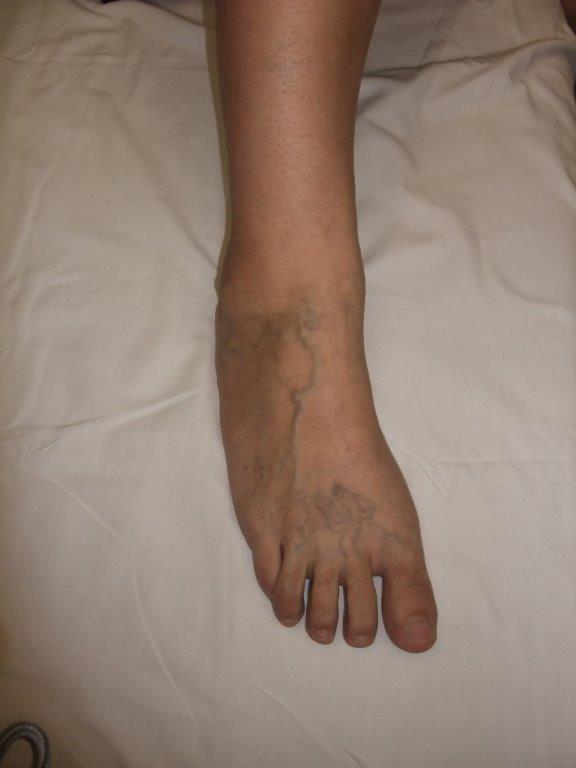
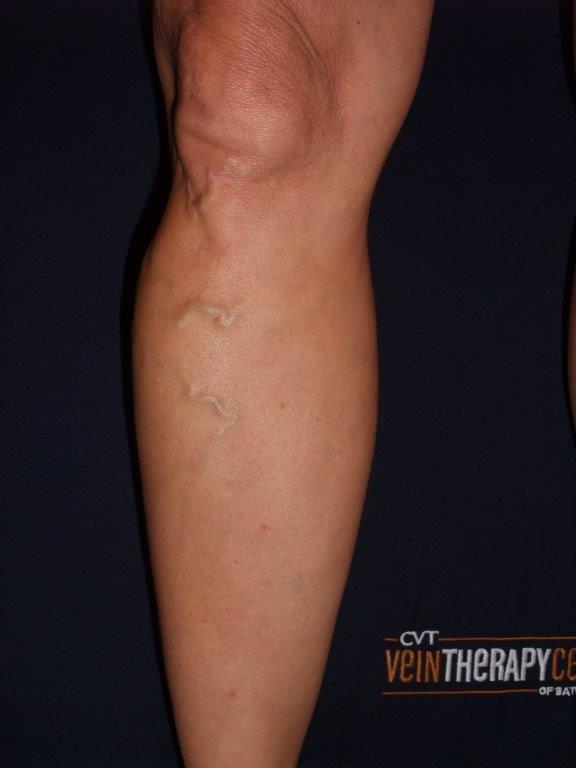
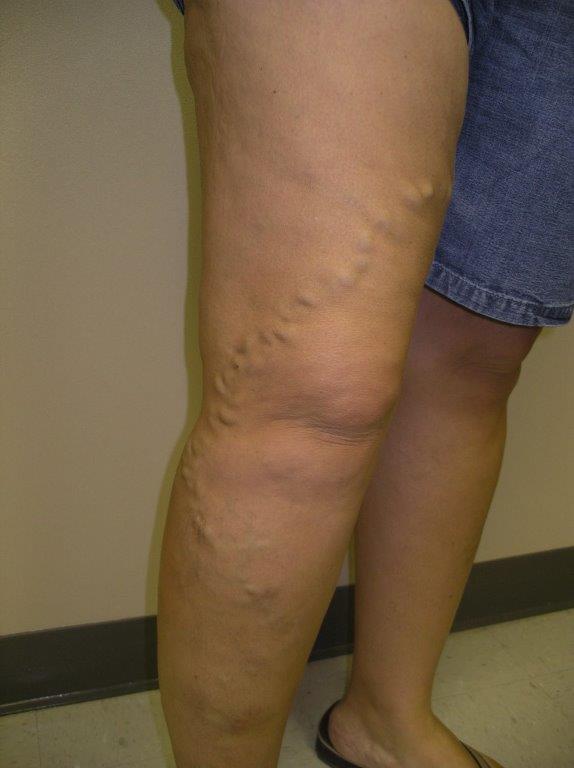
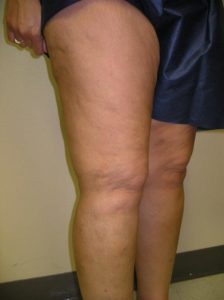
Before
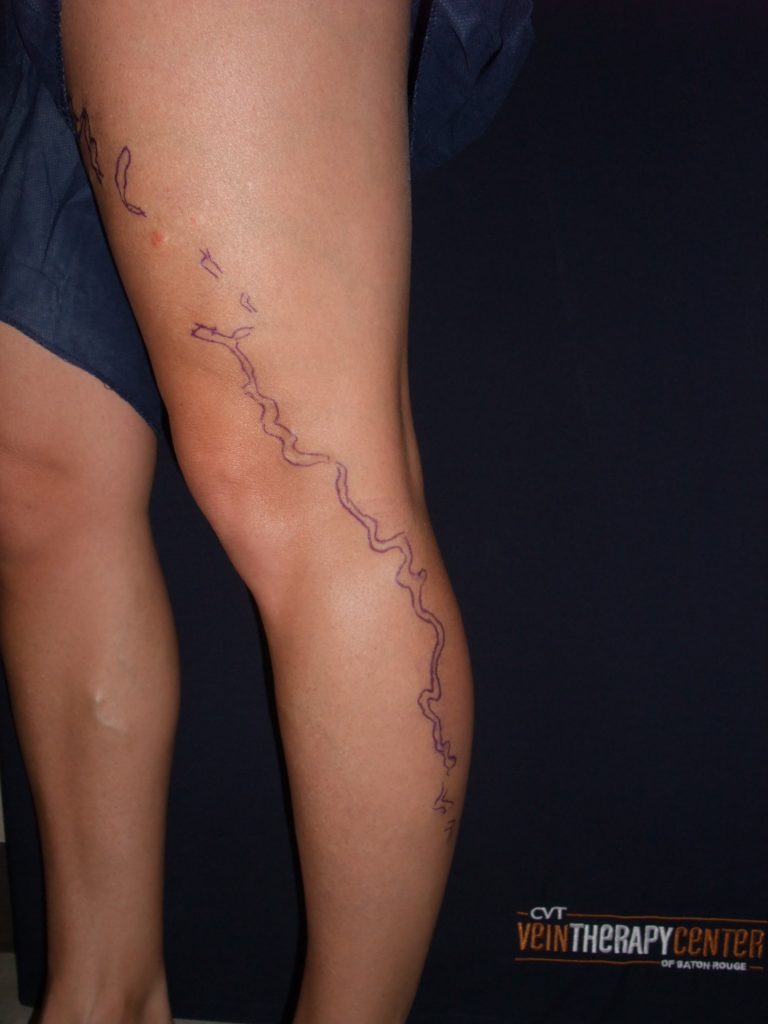
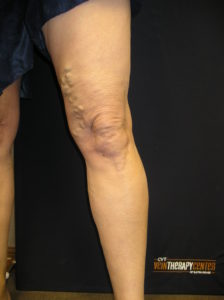
Vein Markings the Day of the Procedure
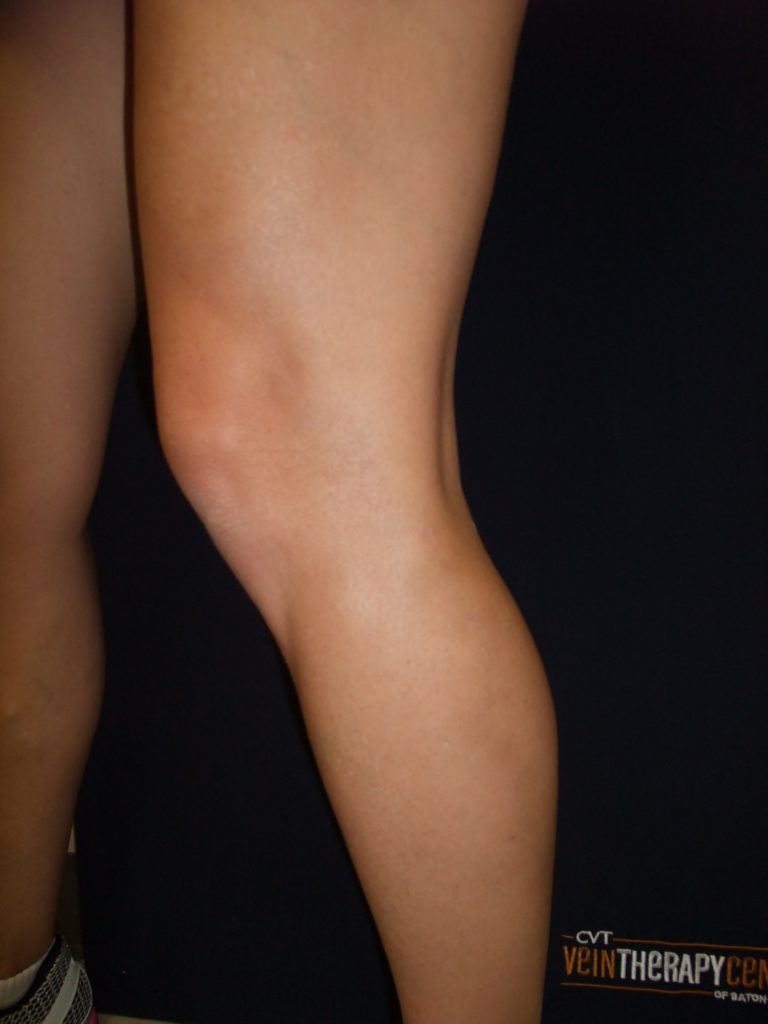
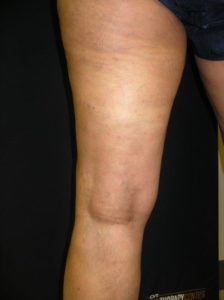
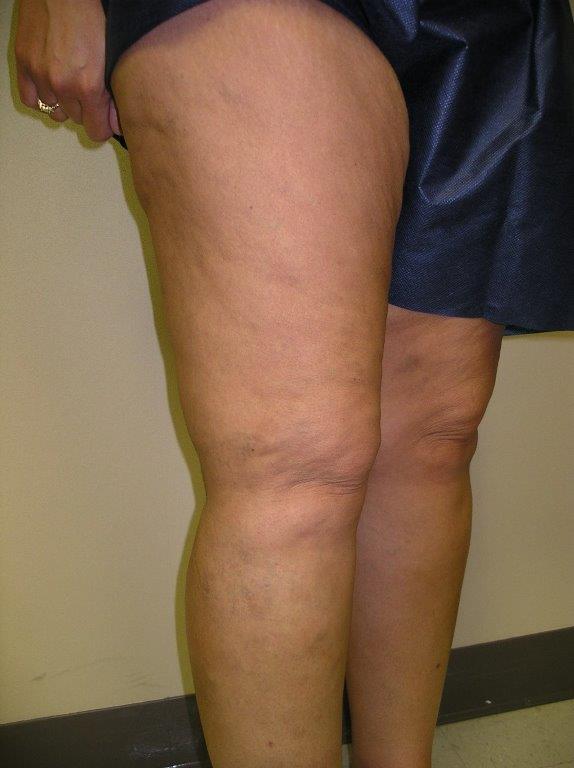
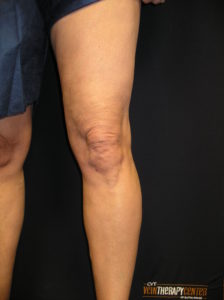
2 Months After
Prevention and Lifestyle Tips
While you can’t always prevent varicose veins, healthy habits can reduce your risk or prevent recurrence after treatment:
- Stay active and avoid sitting or standing too long
- Maintain a healthy weight
- Elevate your legs periodically
- Wear compression stockings if recommended
- Stay hydrated and move frequently during travel
Simple changes can make a big difference in maintaining long-term vein health.
When to See a Vein Specialist
You don’t have to live with discomfort or hide your legs. If you’re experiencing pain, swelling, or visible veins, it’s time to schedule a consultation. Early evaluation can prevent more serious complications and help you feel and look better faster.
Common reasons to seek treatment:
- Persistent aching or heaviness in the legs
- Swelling that worsens throughout the day
- Visible or painful bulging veins
- Skin changes or sores around the ankles
At CVT, our board-certified vascular specialists diagnose and treat the full range of vein conditions, including varicose and spider veins. If you’re struggling with leg pain, heaviness, or visible veins, we’re here to help.
FAQs About Varicose Veins
-
Are varicose veins dangerous?
Are varicose veins dangerous?
Not usually, but they can lead to serious complications if ignored. -
Will varicose veins go away on their own?
Will varicose veins go away on their own?
No. Once a vein becomes varicose, it won’t return to normal without treatment. -
Does treatment hurt?
Does treatment hurt?
Most minimally invasive procedures cause little to no discomfort and require no general anesthesia. -
Will insurance cover my treatment?
Will insurance cover my treatment?
Yes, many treatments are covered if deemed medically necessary due to pain, swelling, or circulation issues. -
How soon will I see results?
How soon will I see results?
Most patients notice improvement in both appearance and comfort within a few weeks.
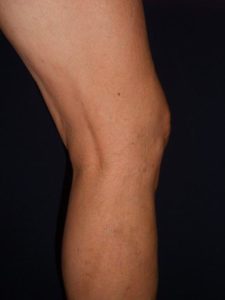
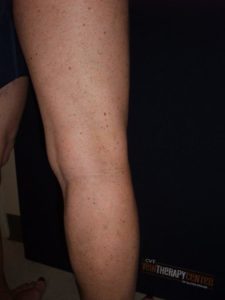
Varicose Veins & Foam Sclerotherapy
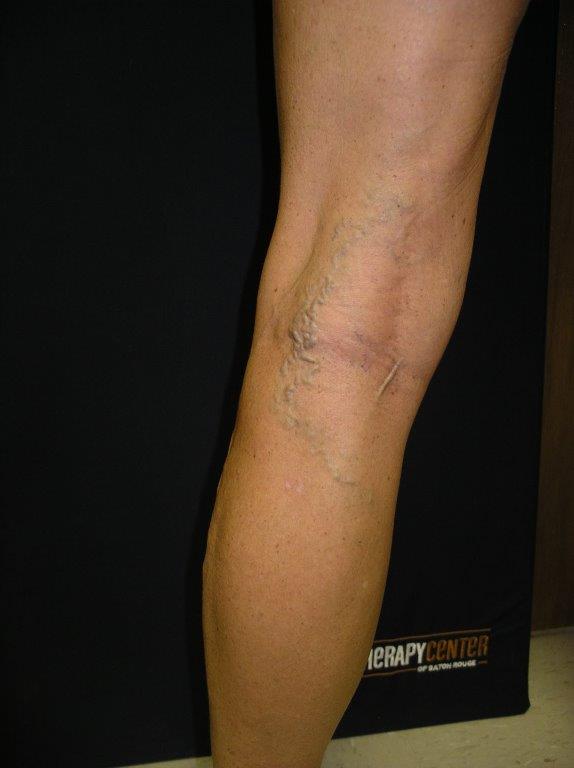
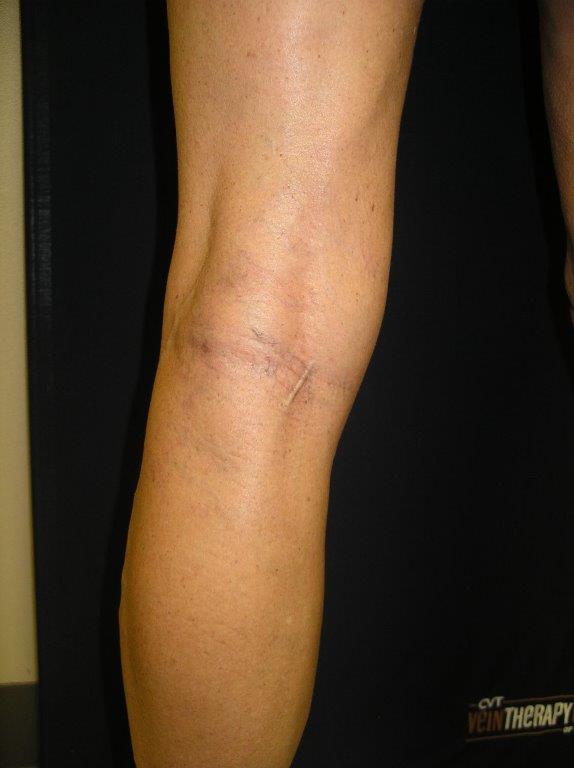
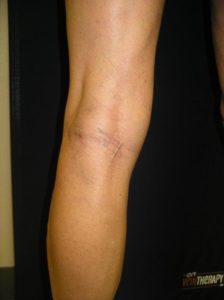
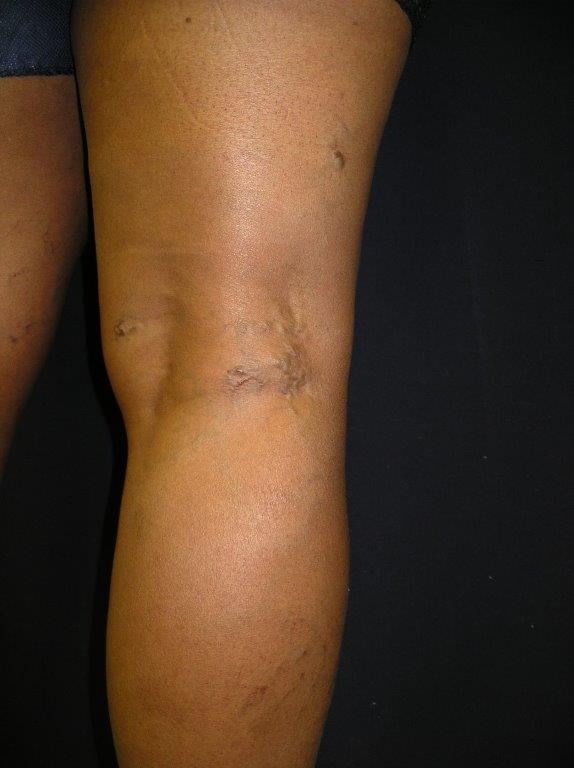
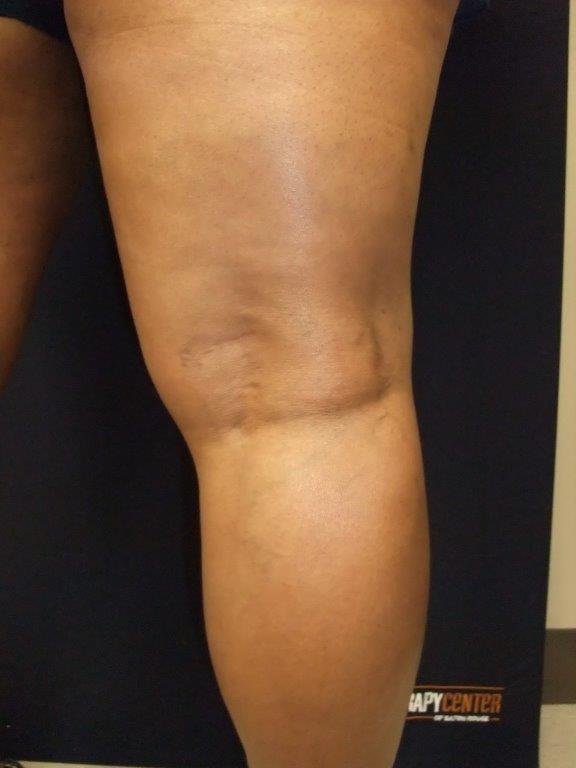
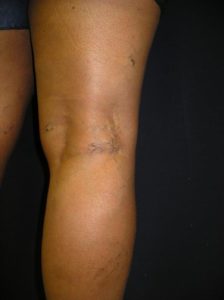
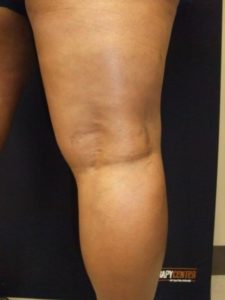
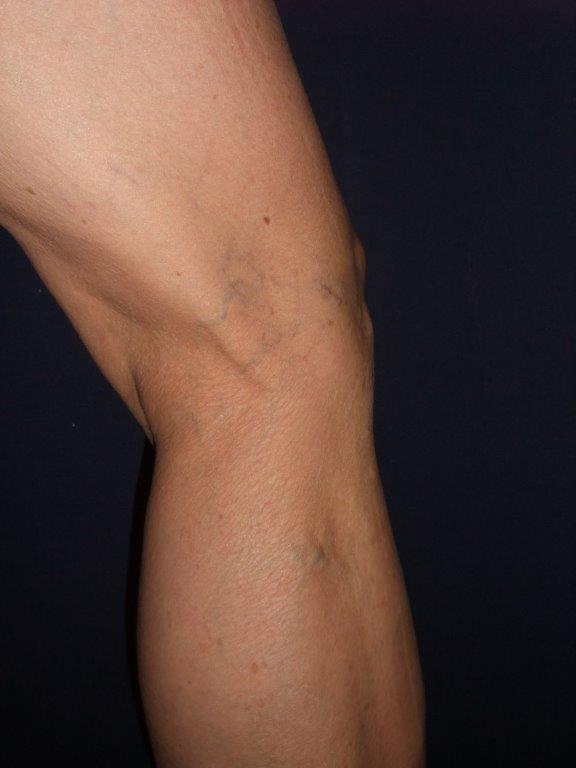
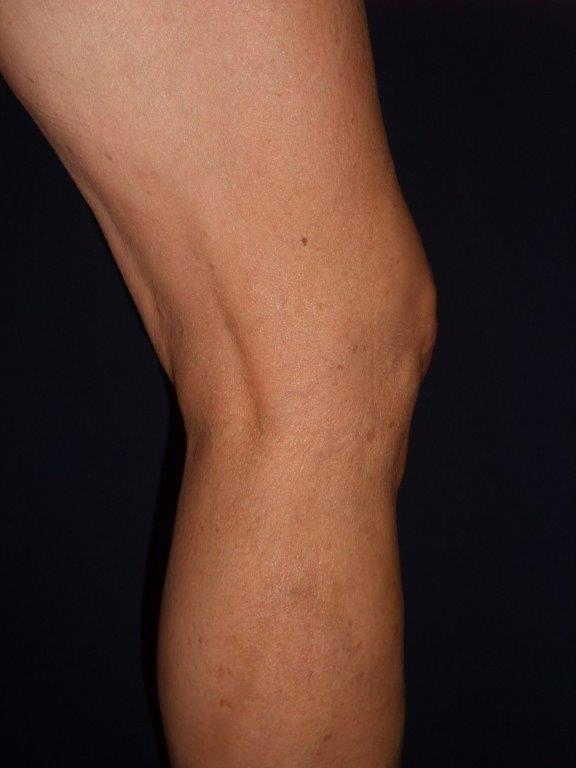
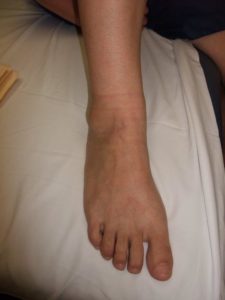
Varicose Veins & Phlebectomy
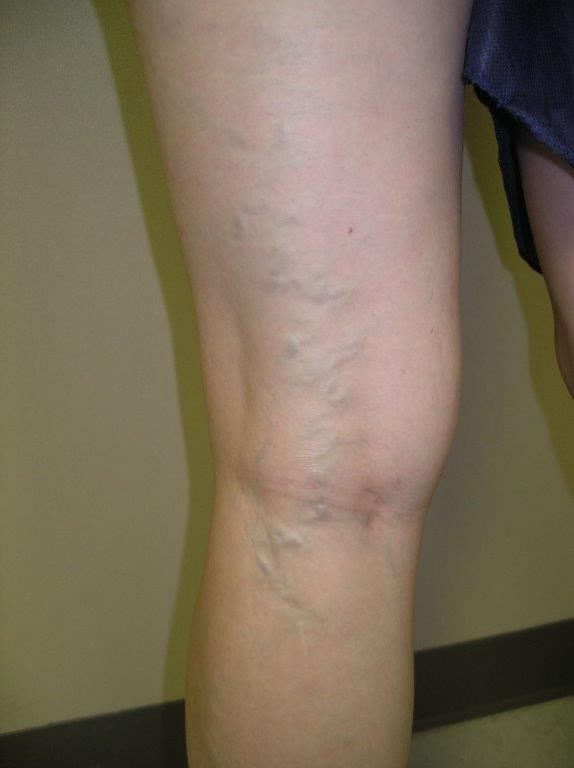
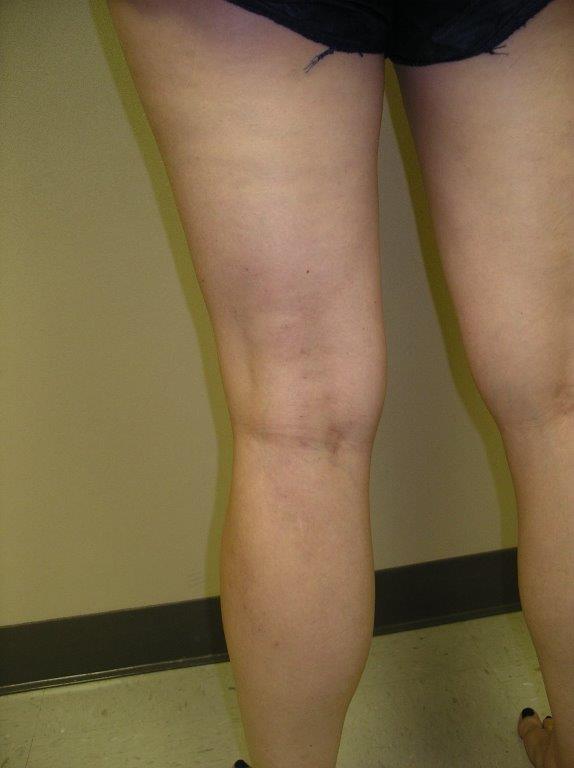
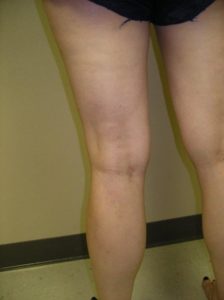
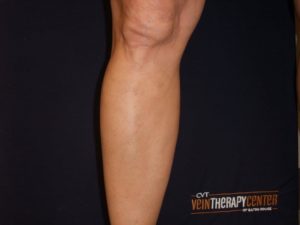
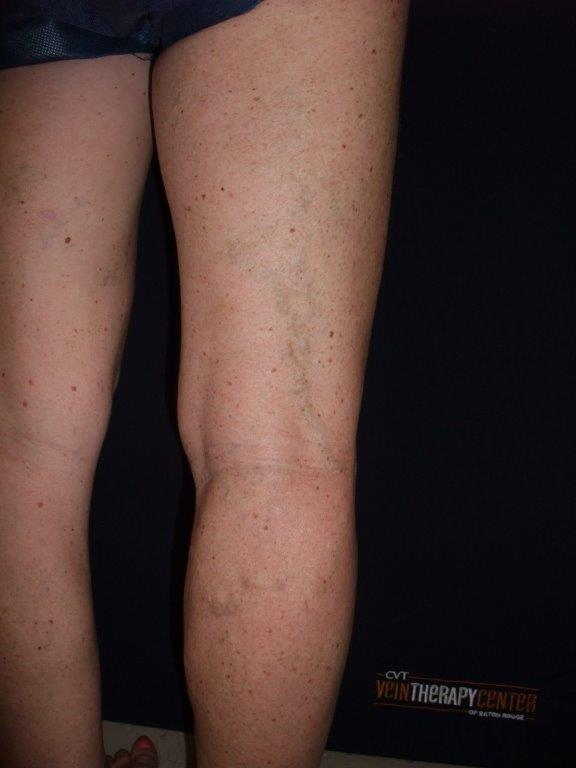
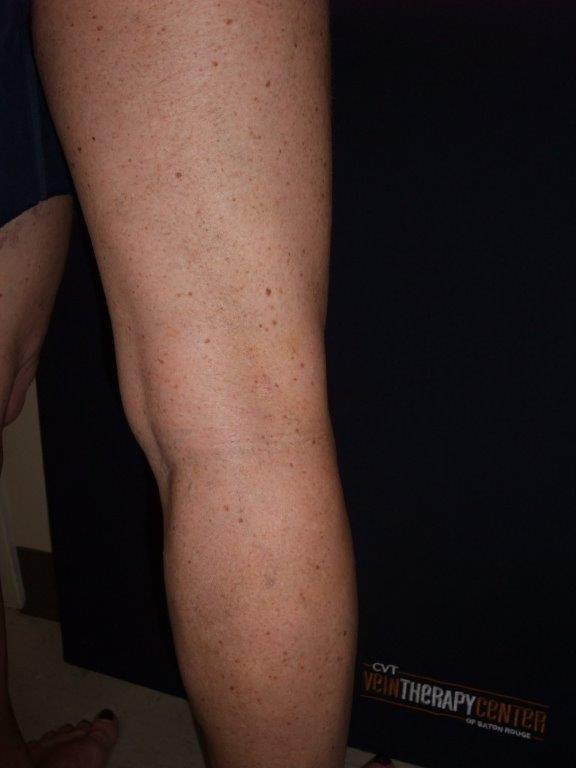
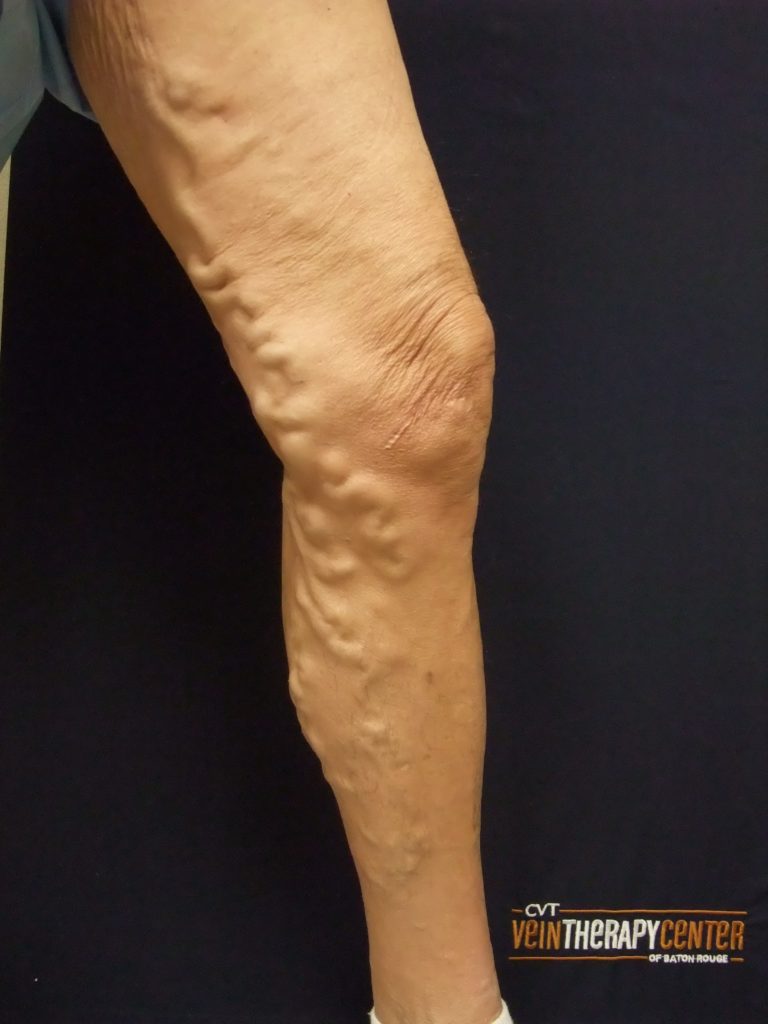
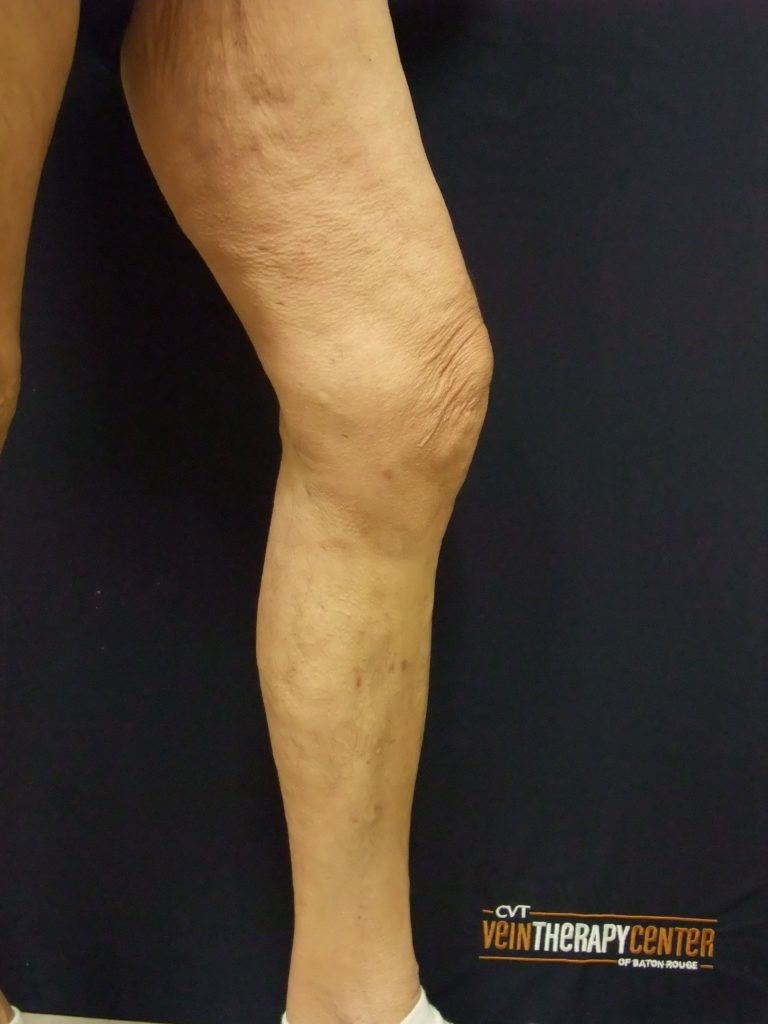
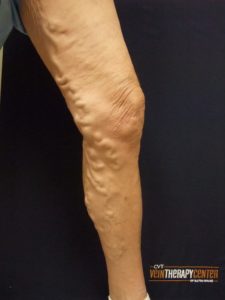
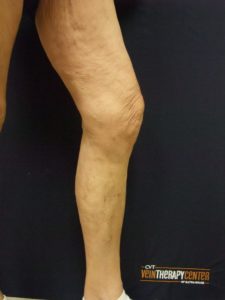
Varicose Veins & Ligation with Phlebectomy